
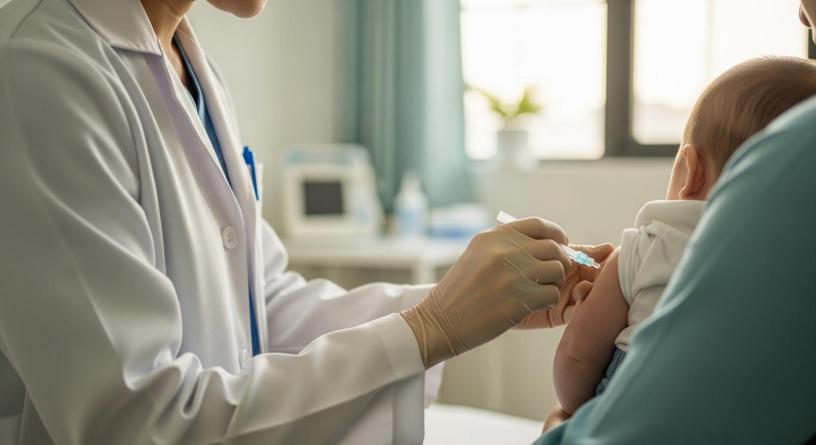
Following the Singapore baby vaccine schedule from birth is one of the most important things a parent can do for their child’s health in the first few years of life. Vaccines protect children against diseases that were once major causes of childhood death and disability, from diphtheria and whooping cough to measles and hepatitis B. The diseases still exist; it is vaccination that keeps them from circulating widely.
How Singapore’s National Childhood Immunisation Schedule Works
The Singapore baby vaccine schedule is set by the Ministry of Health and covers the vaccinations recommended from birth through adolescence. The schedule specifies not just which vaccines a child should receive but when each dose should be given, because the timing is part of how vaccines work. Some require multiple doses to build full immunity; others require doses at specific ages to be effective.
Vaccines on the National Childhood Immunisation Schedule are heavily subsidised for Singapore citizens at polyclinics and CHAS-accredited GP clinics. Parents receive a health booklet at birth that tracks all vaccinations as they are given, and clinics typically send reminders when the next round of jabs is due.
Vaccines Given at Birth
Two vaccines are given at birth before the baby leaves the hospital: BCG and hepatitis B (first dose). BCG protects against tuberculosis, which remains a public health concern in Singapore’s regional context. Hepatitis B is a viral infection of the liver that can become a lifelong chronic infection when acquired in infancy; the birth dose, given alongside the hepatitis B immunoglobulin for at-risk babies, substantially reduces this risk.
First Six Months
Between one and six months of age, infants receive multiple doses of the hexavalent vaccine, which combines protection against diphtheria, tetanus, whooping cough (pertussis), polio, Haemophilus influenzae type B, and hepatitis B in a single injection. This bundled approach reduces the number of injections needed while building broad protection against serious infections.
The pneumococcal vaccine, which protects against Streptococcus pneumoniae bacteria that cause pneumonia, meningitis, and ear infections, is also given across this period in multiple doses.
Twelve Months and Beyond
At twelve months, children receive the measles, mumps, and rubella (MMR) vaccine, followed by a second dose at fifteen to eighteen months. The varicella (chickenpox) vaccine is also given at this age.
Singapore has moved to include the influenza vaccine as a recommended vaccine for children aged six months and above, and many families choose to vaccinate against hepatitis A and meningococcal disease beyond the core schedule.
“The investment in our children’s health today shapes the capability of our nation tomorrow,” noted former Deputy Prime Minister Tharman Shanmugaratnam. Singapore’s vaccination programme reflects exactly that logic.
Keeping Up With the Schedule
Missing a dose does not mean starting from scratch. Most missed doses can be given at the next available visit and the schedule completed from that point. What matters is that all doses are completed, even if some are given later than the recommended age.
Parents who are unsure about which vaccines their child has received can check the child’s health booklet or contact the clinic where the child receives care.
Vaccination at Lion Health
Lion Health provides childhood vaccination services for the full Singapore baby vaccine schedule and can advise parents on additional recommended vaccines outside the core national schedule. Their clinic is set up to make the experience as comfortable as possible for both child and parent, with appointments available to reduce waiting time.

