
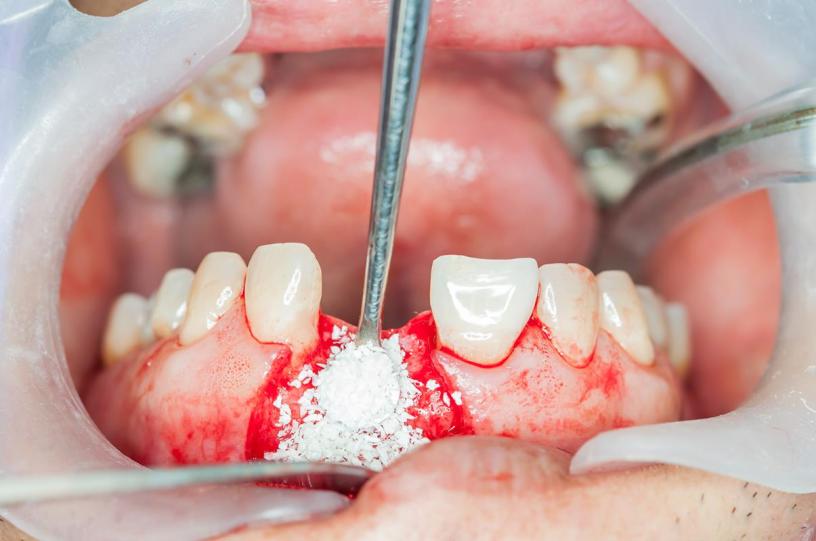
A healthy jawbone plays an important role in supporting the teeth, maintaining facial structure, and creating a stable foundation for long-term dental health. When bone volume is reduced because of tooth loss, gum disease, trauma, or natural changes over time, the jaw may need additional support before certain dental treatments can be considered. Bone Grafts in Dentistry are used to help rebuild or strengthen areas of the jaw where bone has weakened or decreased, allowing patients to support better oral function and future restorative options.
Understanding the Role of Dental Bone Grafts
Restoring Support Where Bone Has Been Lost
Dental bone grafting is a procedure designed to encourage new bone growth in areas where the jawbone no longer has enough density or volume. Bone loss can happen after a tooth has been missing for a long period because the jawbone is no longer being stimulated by the natural tooth root. Over time, this lack of stimulation may cause the bone to shrink or become less stable.
Bone grafting helps create a stronger foundation by placing grafting material in the area that needs support. Over time, the body can integrate the material and produce new bone around it. This process may help improve the strength, shape, and stability of the jawbone, depending on the patient’s individual oral health needs.
Why Bone Grafting May Be Recommended
Preparing the Mouth for Future Dental Treatment
One of the most common reasons bone grafting may be discussed is to prepare the jaw for future restorative care, such as dental implants. Dental implants require strong bone support because the implant post must integrate with the jawbone to function properly. If the bone is too thin or weak, grafting may be recommended before implant placement can move forward.
Bone grafting may also be considered after tooth extraction to help preserve the socket and reduce future bone loss. In other cases, it may be used to rebuild areas affected by periodontal disease or injury. Since every patient’s bone structure and dental history are different, a professional evaluation is necessary to determine whether grafting is appropriate.
The Importance of Jawbone Health
Supporting Function, Comfort, and Facial Structure
Jawbone health affects more than the ability to replace missing teeth. The jawbone helps support facial contours, bite stability, and the natural alignment of surrounding teeth. When bone loss occurs, nearby teeth may shift, chewing may become less comfortable, and the overall structure of the smile may change.
Maintaining or rebuilding bone volume can help support better long-term dental function. By strengthening the foundation beneath the gums, bone grafting may help improve the stability of future treatments and protect the overall balance of the mouth.
What Patients Can Expect from the Planning Process
A Personalized Evaluation Comes First
Before a bone graft is recommended, the dentist or dental specialist will evaluate the patient’s oral health, medical history, jawbone condition, and treatment goals. Digital imaging may be used to assess bone volume and determine where support is needed. This planning step helps create a more precise treatment approach based on the patient’s unique anatomy.
The process may vary depending on the location of the graft, the amount of bone needed, and whether the procedure is being done after an extraction or before another treatment. A personalized plan helps patients understand the purpose of the procedure and how it fits into their overall dental care.
Healing and Long-Term Support
Healing after bone grafting takes time because the body must gradually integrate the grafting material and build new bone. Patients may receive specific care instructions to support proper healing and reduce irritation during recovery. Follow-up visits are often important so the dental team can monitor progress and determine when the area is ready for the next phase of treatment.
How Bone Grafts Support Restorative Dentistry
Restorative dentistry often depends on having a strong, healthy foundation. Bone Grafts in Dentistry can play an important role when patients need to rebuild lost bone before moving forward with certain procedures. By improving the condition of the jawbone, grafting can help create better support for future dental work and contribute to a more stable, functional smile.
A Stronger Foundation for Future Oral Health
Bone grafting is an important part of modern dentistry because it helps address the structural changes that may happen after tooth loss, infection, trauma, or gum disease. When planned carefully, it can support jawbone strength, dental stability, and future restorative options. For patients who want to protect their oral health and create a stronger foundation for long-term dental care, bone grafting may be a valuable step in the treatment process.

