
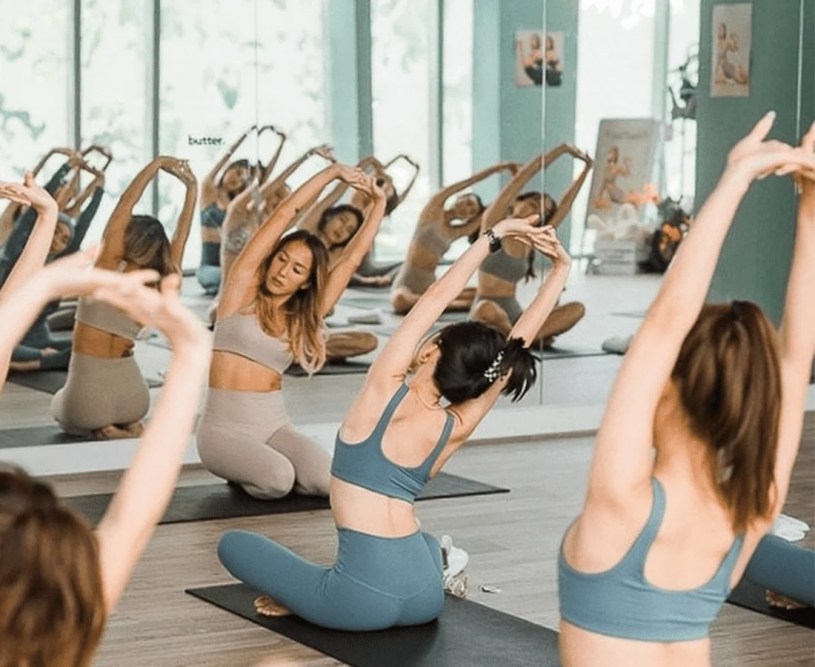
Modern life places constant demands on the nervous system. Notifications, deadlines, traffic, and social obligations keep the body in a near-permanent state of alertness. Over time, this ongoing stimulation affects how the nervous system functions, often leading to fatigue, irritability, poor sleep, and reduced emotional resilience. While many people turn to exercise as a coping tool, not all movement environments help regulate the nervous system effectively. This is why choosing the right yoga places in Singapore has a direct and lasting impact on nervous system health.
Purpose-led yoga spaces are intentionally designed to support regulation rather than overstimulation. They recognise that nervous system health is not about escaping stress momentarily, but about retraining the body to shift smoothly between effort and rest. Understanding how these environments influence neurological balance helps practitioners make informed decisions about where to practise and why it matters.
Understanding the Nervous System in Daily Life
The nervous system governs how the body responds to both internal and external stimuli. It includes the sympathetic branch, which prepares the body for action, and the parasympathetic branch, which supports rest, recovery, and digestion. In healthy conditions, the body moves fluidly between these states.
In urban settings like Singapore, the sympathetic response is often overused. Long hours of concentration, constant connectivity, and time pressure keep the body in a heightened state of readiness. Common signs of nervous system imbalance include:
-
Persistent muscle tension even during rest
-
Shallow or irregular breathing
-
Difficulty relaxing or switching off
-
Emotional reactivity or mental fog
Yoga, when guided thoughtfully within a purpose-led environment, helps restore balance by creating safe conditions for the parasympathetic response to activate consistently.
Why Purpose-Led Spaces Matter for Neurological Regulation
Not all yoga spaces prioritise nervous system health. Some focus heavily on intensity, performance, or constant variation, which can unintentionally reinforce stress patterns. Purpose-led yoga places, on the other hand, design every element of practice with regulation in mind.
These spaces tend to emphasise:
-
Predictable class structures that reduce mental load
-
Smooth transitions that avoid sudden spikes in stimulation
-
Teaching cues that encourage internal awareness
-
A pace that allows the nervous system to respond gradually
This intentional approach helps the body feel safe enough to release tension. Over time, repeated exposure to this environment trains the nervous system to access calm more readily, even outside the studio.
The Role of Breath in Nervous System Health
Breathing patterns are one of the most direct gateways to nervous system regulation. Under stress, breathing becomes shallow and rapid, signalling the body to remain alert. Purpose-led yoga places integrate breath awareness throughout the practice rather than isolating it to short segments.
Effective breath guidance includes:
-
Encouraging slow, steady inhalations and exhalations
-
Coordinating breath with movement to create rhythm
-
Allowing natural pauses without forcing control
-
Using breath as an anchor during challenging moments
When breath is treated as a foundational element rather than an afterthought, practitioners begin to notice how breathing patterns influence emotional and physical states. This awareness often carries into daily life, supporting calmer responses during stressful situations.
Movement Quality and Its Effect on the Nervous System
The nervous system responds not only to what movements are performed, but also to how they are executed. Jerky transitions, rushed pacing, or unclear instructions can increase neural load. Purpose-led yoga spaces focus on movement quality to support neurological ease.
This includes:
-
Clear preparation for each posture
-
Gradual build-up of intensity
-
Emphasis on smooth transitions
-
Respect for individual pacing
By reducing unnecessary strain, the body learns to move with efficiency rather than urgency. This supports neuromuscular coordination and reduces the background tension that often accumulates in daily activities.
Teaching Language and Cognitive Load
Language plays a powerful role in nervous system health. Complex instructions, constant correction, or performance-oriented cues can overwhelm the brain. Purpose-led yoga places pay close attention to how information is delivered.
Supportive teaching language often involves:
-
Simple, precise cues that guide attention gently
-
Repetition that reinforces learning without pressure
-
Invitations rather than commands
-
Neutral tone that avoids urgency
This approach reduces cognitive load, allowing the nervous system to process information without becoming overstimulated. Over time, practitioners develop a more relaxed relationship with learning and movement.
Environmental Factors That Support Regulation
The physical environment of a yoga space sends continuous signals to the nervous system. Lighting, sound, temperature, and spatial layout all influence whether the body perceives safety or threat.
Purpose-led yoga places typically prioritise:
-
Soft, balanced lighting that reduces visual stress
-
Minimal background noise or abrupt sounds
-
Adequate spacing to avoid crowding
-
A consistent layout that fosters familiarity
These factors help create a sensory environment that supports relaxation. When practitioners associate the space with calm and clarity, the nervous system begins to downshift automatically upon arrival.
Consistency as a Tool for Neurological Resilience
The nervous system thrives on predictability. Consistent routines help the body anticipate what is coming next, reducing the need for constant vigilance. Purpose-led yoga places encourage regular practice through stable schedules and coherent class progressions.
Consistency supports nervous system health by:
-
Reinforcing patterns of safety and calm
-
Allowing gradual adaptation to relaxation cues
-
Reducing decision fatigue around exercise choices
-
Building trust in the practice and environment
Rather than seeking novelty, practitioners benefit from returning to familiar structures that support regulation. This reliability becomes especially valuable during periods of heightened stress.
Nervous System Awareness Beyond the Studio
One of the most meaningful outcomes of practising in a purpose-led yoga environment is how awareness transfers into everyday life. Skills developed on the mat influence how people respond to stress, fatigue, and emotional challenges off the mat.
Common carryover effects include:
-
Recognising early signs of tension or overload
-
Using breath to steady the mind during pressure
-
Moving with greater ease during daily tasks
-
Recovering more quickly from emotional stress
These changes reflect improved nervous system flexibility. Instead of remaining stuck in a single state, the body learns to adapt fluidly to changing demands.
Supporting Emotional Regulation Through Practice
Emotional responses are closely tied to nervous system activity. When the nervous system is overactivated, emotions can feel intense or difficult to manage. Purpose-led yoga places create conditions that support emotional regulation without forcing catharsis or expression.
This support comes from:
-
A non-judgemental atmosphere
-
Permission to rest or modify as needed
-
Teaching that normalises different experiences
-
An emphasis on presence rather than outcome
As practitioners feel safer in their bodies, emotional responses often become less reactive and more manageable. This contributes to greater emotional resilience over time.
Long-Term Benefits of Nervous System-Focused Practice
Sustainable nervous system health is not about eliminating stress, but about improving the body’s ability to respond and recover. Purpose-led yoga environments support this adaptability through consistent, mindful practice.
Long-term benefits may include:
-
Improved sleep quality
-
Reduced baseline muscle tension
-
Greater mental clarity and focus
-
Enhanced capacity to handle pressure
These changes develop gradually, reflecting deep shifts in how the nervous system operates. The focus remains on sustainability rather than quick results.
Choosing a Yoga Space That Prioritises Nervous System Health
Selecting a yoga environment that truly supports nervous system health involves paying attention to how the space feels over time. The right place encourages regulation rather than exhaustion.
Key indicators include:
-
Calm, intentional class pacing
-
Teaching that values awareness over performance
-
An environment that feels supportive and predictable
-
A philosophy centred on long-term wellbeing
Studios such as Yoga Edition embody this purpose-led approach by integrating nervous system awareness into every aspect of practice. The emphasis is not on doing more, but on doing what supports balance, clarity, and resilience in the long run.
Frequently Asked Questions
Q: How does yoga influence the nervous system differently from other exercises?
A: Yoga combines movement, breath, and awareness, which directly affects nervous system regulation. This integrated approach helps balance activation and relaxation more effectively than exercise focused solely on physical effort.
Q: Can nervous system health improve even if I practise only a few times a week?
A: Yes, regular practice two to three times a week can support nervous system balance. Consistency and quality of practice matter more than frequency alone.
Q: Is nervous system-focused yoga suitable for people with busy schedules?
A: Absolutely. Purpose-led yoga helps busy individuals learn how to regulate stress more efficiently, often improving energy levels and focus rather than adding fatigue.
Q: Does class intensity affect nervous system benefits?
A: Intensity matters less than how it is managed. Classes that include mindful pacing, clear transitions, and breath awareness can support nervous system health even when physically challenging.
Q: How long does it take to feel changes in nervous system regulation?
A: Many people notice subtle shifts within a few weeks, such as improved sleep or reduced tension. Deeper changes typically develop over several months of consistent practice.
Q: Can yoga support nervous system health alongside other wellness practices?
A: Yes, yoga complements other wellness approaches by enhancing awareness and self-regulation, making it easier to integrate healthy habits into daily life.
 Awareness Health Blog