
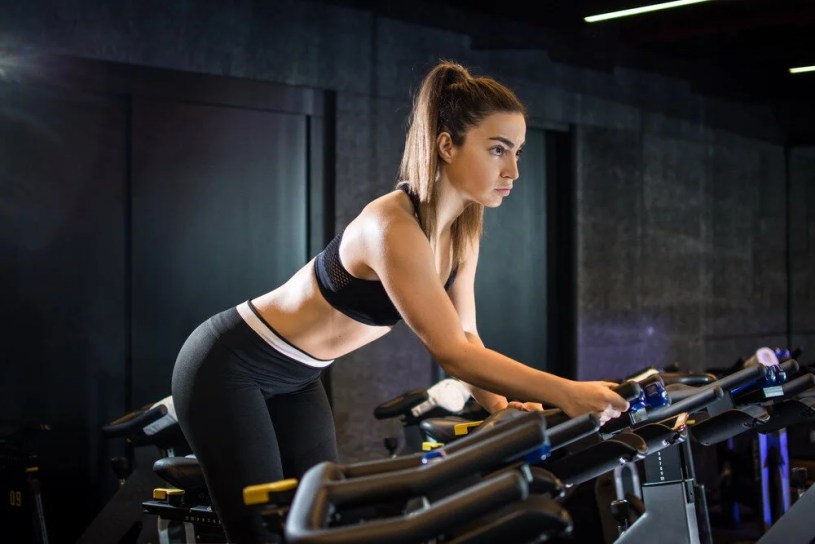
Indoor cycling is one of Singapore’s favourite fitness trends, combining high-energy music, motivating instructors, and calorie-burning intensity in a climate-controlled studio. However, with all the excitement, many riders unintentionally adopt poor habits that can lead to pain or even long-term injury. Correct form is not just about looking professional on the bike, but about protecting your joints, improving performance, and ensuring every pedal stroke is efficient. Whether you are new to indoor cycling Singapore or a regular rider looking to perfect your technique, understanding these common mistakes and how to fix them can help you enjoy every class safely and confidently.
Why Proper Form Matters
Good cycling form does more than prevent injury—it maximises output and makes your ride smoother and more enjoyable. Incorrect posture or bike setup places unnecessary strain on the knees, lower back, shoulders, and wrists. Over time, this strain can cause discomfort, muscular imbalance, and reduced performance. A correct setup aligns your joints, engages the right muscle groups, and allows energy to flow efficiently through every pedal stroke. The result is better endurance, faster progress, and long-term sustainability.
1. Mistake: Incorrect Bike Setup
The foundation of safe indoor cycling starts before you even begin pedalling. A poorly adjusted bike is the root of many cycling-related issues. If the saddle is too high or low, your knees and hips bear excess strain. If the handlebars are too far or too close, you may end up hunching or overreaching, leading to neck and shoulder pain.
How to Correct It:
-
Seat Height: When sitting on the saddle, place your heel on the pedal at its lowest point. Your leg should be almost straight with a slight bend at the knee.
-
Handlebar Position: Adjust handlebars to be level with or slightly higher than the saddle, allowing a comfortable reach without rounding your back.
-
Seat Distance: Place your elbow at the tip of the saddle and stretch your arm forward toward the handlebars. Your fingertips should just touch the bar—this ensures proper spacing.
Proper setup improves comfort and pedalling efficiency, helping you maintain correct posture throughout the ride.
2. Mistake: Poor Posture and Core Engagement
Many riders lean too heavily on the handlebars or slump their backs, putting pressure on the wrists and neck. This often happens when fatigue sets in or resistance is too high. Over time, poor posture can cause back pain and muscle tightness, reducing your riding efficiency.
How to Correct It:
-
Keep your spine neutral, not hunched or overly arched.
-
Relax your shoulders and avoid gripping the handlebars tightly.
-
Engage your core muscles to support balance and prevent excess strain on your arms.
-
Keep your head aligned with your spine rather than tilting upward or downward.
Building core strength through planks, bridges, and stability exercises outside the studio enhances control on the bike and improves endurance during long rides.
3. Mistake: Overtraining or Skipping Recovery
Indoor cycling can be addictive, especially when progress feels fast. Many riders push too hard without adequate recovery, leading to fatigue, joint stress, or burnout. Singapore’s fast-paced lifestyle adds to this tendency—people often rush from one activity to another without giving the body time to rest.
How to Correct It:
-
Schedule at least one rest or light recovery day each week.
-
Alternate high-intensity cycling sessions with low-impact activities like yoga or walking.
-
Listen to your body—persistent soreness or exhaustion is a sign to ease off.
Recovery is when muscles repair and grow stronger. Ignoring it not only risks injury but also slows overall performance improvement.
4. Mistake: Pedalling Too Fast or Too Slow
Some riders focus on speed and lose control of their form, while others pedal too slowly with high resistance, overloading their knees. Both extremes can harm your joints and reduce workout efficiency. Indoor cycling is about rhythm and control, not just speed or force.
How to Correct It:
-
Maintain a cadence between 70 to 100 revolutions per minute (RPM), depending on the class type.
-
Use resistance that allows you to stay smooth and controlled—if you’re bouncing on the saddle, your resistance is too low.
-
Keep your feet flat as you pedal, distributing pressure evenly through the ball of your foot.
A steady, controlled cadence builds muscular endurance and cardiovascular strength without stressing the joints.
5. Mistake: Ignoring Warm-Up and Cooldown
Many riders underestimate the importance of warming up and cooling down, especially when pressed for time. Skipping these stages increases the risk of strains, muscle tightness, and joint stiffness.
How to Correct It:
-
Begin with 5 minutes of light pedalling and gentle resistance to raise your heart rate gradually.
-
After class, dedicate 5 to 10 minutes to cooldown stretches, focusing on your quads, hamstrings, calves, and hips.
-
Stretch your shoulders and back to release tension built during the ride.
Warm-ups prepare your body for exertion, while cooldowns promote recovery and flexibility, preventing injury over the long term.
6. Mistake: Improper Breathing Technique
When intensity increases, it’s easy to hold your breath without realising it. This restricts oxygen supply, making your muscles tire faster. Controlled breathing enhances performance and keeps your body supplied with oxygen during challenging segments.
How to Correct It:
-
Focus on deep, rhythmic breathing through your nose and mouth.
-
Match your breathing with pedal strokes to stay in rhythm.
-
During climbs or sprints, exhale strongly to release tension and maintain energy.
Practising mindful breathing helps you stay calm and focused, especially during high-resistance intervals.
7. Mistake: Excessive Upper Body Movement
Inexperienced riders often bounce excessively in the saddle or sway their upper bodies during sprints. This wastes energy and increases the risk of back or hip strain. Efficient indoor cycling relies on stability and lower-body engagement rather than upper-body momentum.
How to Correct It:
-
Keep your hips steady and avoid side-to-side rocking.
-
Engage your core and glutes to maintain balance.
-
If you feel unstable, reduce your resistance slightly until you regain control.
Efficient movement ensures the power generated from your legs translates directly into pedal force, maximising output without strain.
8. Mistake: Neglecting Hydration
Singapore’s humidity makes hydration even more critical during exercise. Dehydration leads to fatigue, muscle cramps, and reduced performance. Sweating in a heated indoor studio can cause significant fluid loss.
How to Correct It:
-
Drink 300–500 ml of water about 30 minutes before class.
-
Take small sips throughout your ride—don’t wait until you’re thirsty.
-
Replenish with electrolytes after class if your session was particularly intense.
Hydration keeps your energy levels stable and prevents heat exhaustion during longer sessions.
9. Mistake: Comparing Your Ride with Others
It’s natural to look around the room and match the intensity of those beside you, but everyone’s fitness level and goals are different. Pushing beyond your capacity to keep up with others can cause strain or burnout.
How to Correct It:
-
Focus on personal progress, not competition.
-
Track your effort using a heart rate monitor or perceived exertion scale rather than comparing resistance settings.
-
Remind yourself that fitness is a journey—steady improvement is more valuable than short bursts of overexertion.
Staying within your limits ensures you train smart and sustain progress over the long term.
How Proper Form Boosts Performance
Once you’ve corrected your technique, you’ll notice dramatic improvements in performance. Good posture increases oxygen flow, reduces fatigue, and enhances pedalling power. Proper bike setup helps distribute workload evenly across muscle groups, allowing you to sustain effort for longer periods. Mentally, you’ll feel more confident and in control, which improves consistency.
Instructors often say, “Form before speed.” By focusing on form, you’ll achieve more in less time and reduce injury risk dramatically.
How TFX Promotes Safe and Effective Indoor Cycling
At TFX, safety and performance go hand in hand. Every session is designed to encourage correct form, mindful riding, and balanced progression. Instructors emphasise technique adjustments, from posture cues to resistance control, ensuring members achieve results without unnecessary strain. The studio’s structured environment, motivating playlists, and supportive culture make it a trusted space for riders of all levels to improve both skill and stamina safely.
TFX also integrates recovery sessions, stretching routines, and holistic wellness guidance to complement cycling. This all-rounded approach ensures riders maintain optimal health while continuously improving performance.
Building Lifelong Habits for Pain-Free Cycling
Correcting mistakes isn’t about short-term adjustments; it’s about building habits that keep you strong and injury-free for life. With time, proper form becomes second nature, allowing you to enjoy every ride with confidence. Consistency, mindfulness, and patience are key—your body rewards precision far more than intensity alone.
Whether you’re chasing endurance, power, or stress relief, mastering the fundamentals transforms indoor cycling from a simple workout into a lifelong wellness practice. When you ride safely and effectively, every session becomes an opportunity not just to train your body, but to strengthen your focus and discipline as well.
FAQs
Q1: How can I tell if my bike setup is correct?
Your knee should have a slight bend at the bottom of each pedal stroke, and your back should remain straight without overreaching the handlebars. Ask your instructor to double-check your setup during class.
Q2: Why do my knees hurt after cycling?
Knee pain often indicates the saddle is too low or your resistance is too high. Adjust your seat height and ensure smooth pedalling without jerky motion.
Q3: Can indoor cycling cause lower back pain?
It can if you lean forward excessively or lack core strength. Focus on posture and engage your core to support your spine throughout the ride.
Q4: What’s the safest way to increase resistance?
Gradually turn the resistance knob during transitions rather than sudden twists. This helps muscles adapt and prevents joint strain.
Q5: How can I stay motivated while maintaining proper form?
Remind yourself that correct form leads to better results. Set small weekly goals—like improving cadence consistency or posture—to track progress and stay inspired.
 Awareness Health Blog