
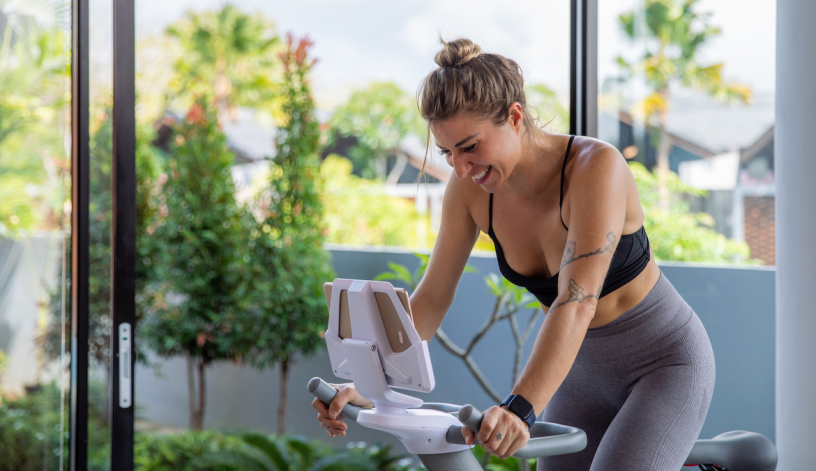
Cycling has always been a versatile sport, appealing to both casual riders and serious athletes. With the rise of indoor cycling classes in Singapore, many now find themselves choosing between the immersive studio experience of RPM and the natural environment of outdoor cycling. Both offer unique benefits, but they also come with limitations. Understanding the differences allows you to make informed decisions about which type of cycling best supports your goals, lifestyle, and overall fitness journey.
The Experience: Environment and Atmosphere
The biggest difference between RPM and outdoor cycling lies in the environment. RPM classes are conducted indoors, often with dimmed lights, energising music, and guided instruction. This atmosphere creates focus, motivation, and consistency, no matter the weather outside. Outdoor cycling, on the other hand, offers freedom and exploration. Riders can experience fresh air, scenic routes, and varying terrain. The choice depends on whether you prefer structured sessions or the unpredictability of open roads.
Control vs Uncertainty
One of the major advantages of indoor cycling is control. In an RPM class, resistance, cadence, and duration are all carefully structured, allowing you to train specific energy systems without distraction. Outdoor cycling lacks this control, as conditions such as wind, traffic, and terrain constantly change. While unpredictability can be mentally stimulating, it makes consistency harder to achieve. For those training towards specific fitness outcomes, RPM offers the precision that outdoor rides may lack.
Safety and Accessibility
Safety is a key factor in cycling. Outdoor riding exposes cyclists to traffic, road hazards, and weather conditions. This can deter beginners or those living in busy urban areas. Indoor cycling eliminates these risks, offering a safer environment where anyone can ride without fear of accidents. In Singapore, where heavy rainfall and high humidity are common, the reliability of an indoor studio ensures training consistency year-round.
Calorie Burn and Efficiency
Both indoor and outdoor cycling provide excellent calorie-burning opportunities. However, indoor cycling often delivers more efficient sessions. RPM classes compress high-intensity intervals, climbs, and sprints into 45–60 minutes, maximising calorie expenditure in less time. Outdoor rides, especially at a casual pace, may take longer to achieve similar results. That said, outdoor cycling often involves longer distances, which can increase overall energy expenditure when sustained over hours.
Muscle Engagement and Strength Development
Indoor cycling relies on controlled resistance and specific drills to target muscle groups. Sprints build fast-twitch fibres, while heavy climbs strengthen quadriceps, hamstrings, and glutes. Outdoor cycling also develops leg strength but includes more stabilisation due to balance and bike handling. Riding on uneven terrain engages core and upper body muscles more frequently, making it a more full-body experience. Both are valuable, but RPM provides a more consistent and replicable strength stimulus.
Endurance Building
Endurance training benefits from both environments, though in different ways. RPM classes train aerobic and anaerobic systems through interval progression, enhancing stamina in a controlled setting. Outdoor cycling builds endurance through long rides, sometimes lasting several hours. For those training for competitive cycling events or triathlons, outdoor cycling is essential. For individuals seeking fitness improvements without dedicating hours to training, RPM provides a practical and time-efficient alternative.
Mental and Emotional Benefits
Cycling affects mental health differently depending on environment. RPM classes create group energy, music-driven motivation, and instructor encouragement. This fosters accountability and a sense of belonging. Outdoor cycling provides solitude, mindfulness, and a connection with nature. Riders often report reduced stress and increased creativity after long rides. The choice between these depends on whether you thrive in social, structured environments or prefer independent, reflective experiences.
Weather, Climate and Lifestyle Factors
In Singapore, hot and humid conditions often make outdoor cycling less comfortable, especially during midday. Rainy seasons further disrupt training plans. Indoor cycling removes weather barriers, ensuring consistency regardless of climate. This reliability is one reason RPM classes are particularly popular in urban environments. Outdoor cycling, however, offers variety and exploration, ideal for those who enjoy the journey as much as the destination.
Cost Considerations
Cost plays a role when choosing between the two. Outdoor cycling requires investment in a quality bicycle, safety gear, and maintenance. There may also be additional expenses like race entry fees or travel to scenic routes. RPM classes require a membership or class package, which includes access to bikes, professional instructors, and studio facilities. For those who want convenience without equipment maintenance, indoor cycling is often the more cost-effective choice.
When to Choose RPM
-
When time is limited and you want efficient, structured workouts.
-
If you value safety and consistency regardless of weather.
-
When group motivation and instructor guidance are important.
-
If your focus is fat loss, cardiovascular fitness, or strength through resistance.
When to Choose Outdoor Cycling
-
If your goal is long-distance endurance or event training.
-
When you enjoy nature, freedom, and exploration.
-
To improve bike handling, balance, and real-world cycling skills.
-
When you prefer independent training over group classes.
Blending the Two for Maximum Results
The best approach is often not choosing one over the other but combining both. Indoor cycling provides controlled intensity and measurable progression, while outdoor cycling adds variety, adventure, and extended endurance. Many athletes and enthusiasts use RPM during the week for structured sessions, then reserve weekends for outdoor rides. This hybrid strategy delivers the best of both worlds, supporting fitness, performance, and enjoyment.
How True Fitness Singapore Supports Your Training Choice
Studios such as True Fitness Singapore make RPM classes accessible, safe, and motivating. For those who balance indoor and outdoor training, these structured classes complement longer road rides by targeting specific goals such as speed, power, or fat loss. With experienced instructors and state-of-the-art facilities, riders can ensure they achieve results no matter their preferred cycling environment.
FAQs About RPM and Outdoor Cycling
Q. Can indoor cycling replace outdoor rides completely?
A. For general fitness, yes. Indoor cycling offers structured sessions that cover endurance, strength, and calorie burn. However, for competitive cycling events or long-distance goals, outdoor riding remains essential.
Q. Is calorie burn higher in RPM classes than on the road?
A. RPM often burns more calories per minute due to structured intervals. Outdoor rides can surpass total calorie burn if distance and duration are significantly longer.
Q. Which option is better for beginners?
A. RPM is often safer and easier to start with. Instructors guide form, resistance, and effort. Once confidence and stamina improve, beginners may enjoy transitioning to outdoor rides for variety.
Q. Do I need different gear for indoor and outdoor cycling?
A. Indoor cycling usually requires cycling shoes and comfortable workout attire. Outdoor cycling requires additional gear such as helmets, padded shorts, gloves, and safety equipment.
Q. Can I train for a triathlon using only RPM?
A. While RPM builds cardiovascular fitness and leg strength, triathlon training also requires outdoor cycling to practise handling, terrain management, and race-specific skills. A blend of both is ideal.
 Awareness Health Blog